Discover the Core of Defiance: Visiting the Warsaw Uprising Museum
The Warsaw Uprising Museum stands as a testament to resilience in the face of oppression. It provides a distinctive look at the sacrifices endured during a pivotal moment in history. Guests are invited to explore immersive exhibits that highlight firsthand narratives and communal recollections. This examination of historical events prompts important questions about liberty and the enduring pursuit of democratic ideals. What insights can we gather from these accounts, and how do they resonate today?
Why The Warsaw Uprising Is Still Relevant Today
The significance of the Warsaw Uprising of 1944 resonates deeply in contemporary society, symbolizing strength against subjugation. This landmark historical occurrence, which unfolded during the Second World War, underscores the courage of individuals who rose up against authoritarian rule, making it a significant benchmark for modern-day resistance to oppressive regimes. The insurrection stands as a reminder of the lives given for freedom, instilling a sense of responsibility to copyright democratic values today.
At a time defined by growing nationalist and populist movements, the Warsaw Uprising's lessons promote awareness against the deterioration of civil rights. It additionally nurtures a mutual recognition of the value of joint endeavors in defending human read the facts rights. Moreover, the uprising unites generations, joining the stories of historical heroes with modern justice movements. Consequently, its legacy continues to inspire individuals and communities worldwide, underscoring the perpetual pursuit of freedom and equality.
Browse Key Exhibits and Personal Stories
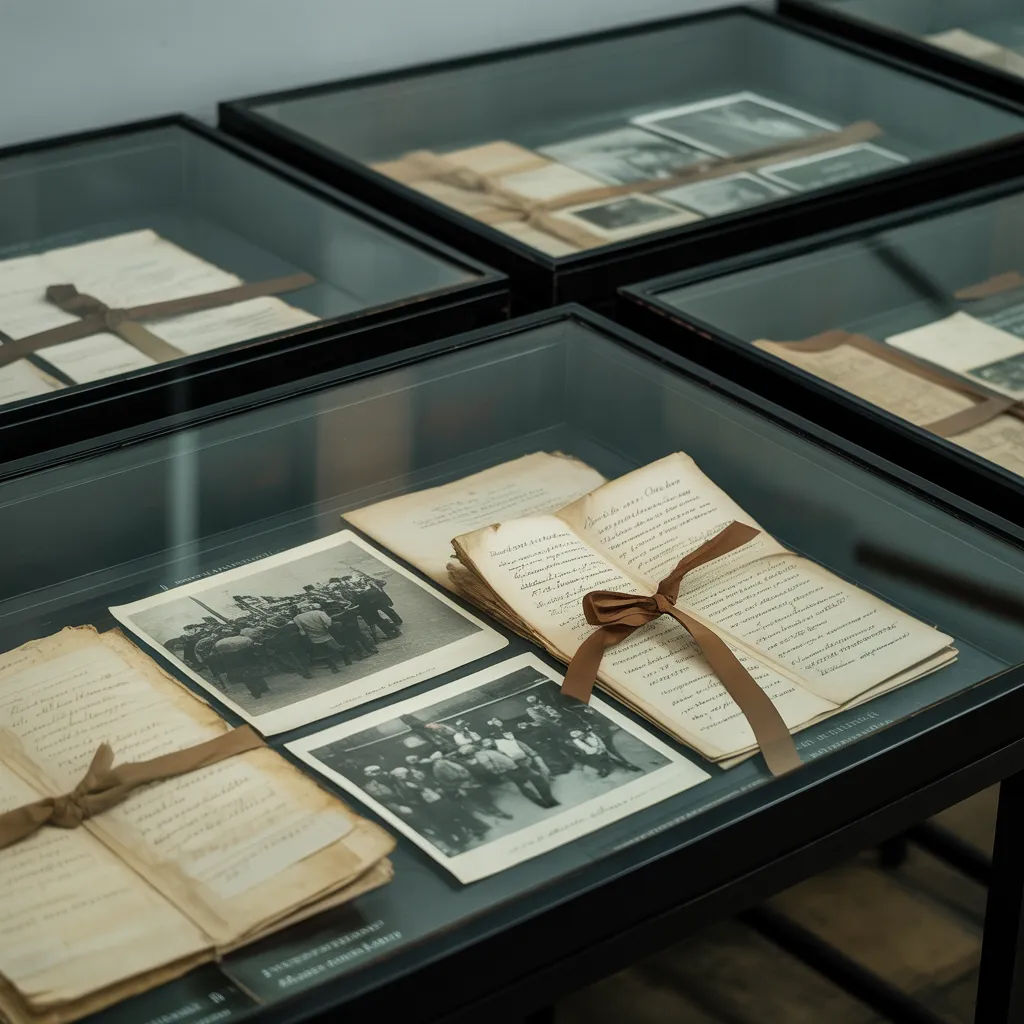
Upon exploring the Warsaw Uprising Museum, one can discover remarkable displays that breathe life into the profound struggles of those who lived through it. The collection housed within the museum features personal artifacts, photographs, and documents that highlight the constant challenges experienced by both resistance members and ordinary citizens. One poignant exhibit features an assembly of handwritten letters from insurgents, exposing their innermost hopes and anxieties throughout the conflict. Yet another display brings to light the accounts of families forced from their homes, emphasizing the profound impact of the conflict on ordinary lives.
Moreover, the exhibit showcases uniforms and weaponry used during the uprising, providing context to the challenging situation. The narrative is enhanced by recorded testimonies of eyewitnesses sharing their stories, bringing a heartfelt perspective to the historical events. These exhibits not only inform guests about the uprising but also recognize the resilience and bravery of those who stood up for their community, connecting history with modern visitors.
Top Interactive Exhibits to Visit at The Museum
How can interactive exhibits enhance the understanding of the Warsaw Uprising? At the Warsaw Uprising Museum, such exhibits provide an engaging and dynamic approach to exploring history. A particularly notable exhibit enables visitors to explore a virtual map of the city as it appeared during the uprising, shedding light on the geographical obstacles encountered by insurgents. A further immersive exhibit recreates the sounds of combat, surrounding visitors with the powerful atmosphere of resistance.
In addition, the exhibit showcases a moving interactive installation where guests can post comments and insights, fostering a genuine link to the historical story. Touchscreen displays present direct accounts from those who lived through it, closing the distance between yesterday and today. These dynamic installations not only teach but also generate understanding, presenting the nuances of the Warsaw Uprising clearer and more meaningful. Through these innovative installations, the museum turns the study of history into an immersive exploration that leaves a lasting impression with all who attend.
Guidelines For Your Visit To The Museum
What key tips can improve a visit to the Warsaw Uprising Museum? First, it is advisable to allocate at least two to three hours for a thorough exploration of the exhibits. Guests are encouraged to purchase tickets online ahead of time to bypass lengthy lines, particularly during busy tourist seasons. Audio guides can be obtained and are highly suggested, as they offer important background information and greater understanding of the exhibits.
Arriving early in the day can further enrich the visit, allowing for a quieter atmosphere. Sturdy shoes are highly recommended, as the venue involves significant amounts of walking and standing. Additionally, attendees should consider looking at the museum's timetable for organized events, hands-on workshops, or curated tours that could enrich their understanding. Lastly, speaking with the museum's team for guidance can result in uncovering hidden artifacts and narratives that highlight the resilience of Warsaw's citizens during the uprising.
How The Uprising Influences Contemporary Polish Identity
The Warsaw Uprising remains a landmark event in Poland's rich history, profoundly influencing the collective identity of the nation. This courageous 1944 stand against Nazi occupation embodies courage, resilience, and the struggle for freedom. The Uprising has emerged as a fundamental touchstone in modern Polish nationalism, fostering a spirit of unity among people who regard it as a testament to their collective past and ideals.
In contemporary Poland, the Uprising is honored in numerous ways, from civic events to artistic tributes, strengthening a shared memory that defines national identity. The heroism exhibited during the Uprising is commemorated in literary works, film, and artistic expression, acting as a source of national pride.
In addition, the Uprising's remarkable influence sparks continuous discussions about sacrifice, democracy, and historical memory, shaping civic engagement and political discourse. As a result, the Warsaw Uprising's significance stands as a foundation of Polish identity, representing the undying quest for sovereignty and the spirit of resistance.
Inspiring Future Generations Through The Museum
The Museum of the Warsaw Uprising serves a vital function in informing younger generations via its engaging displays, which engage them with the pivotal occurrences of the insurrection. Through safeguarding these stories, the museum not only honors the past but also cultivates a feeling of duty in the next generation. This methodology nurtures a deeper understanding of historical events and their continuing significance on Polish identity.
Inspiring Through Interactive Exhibits
While many museums aim to preserve history, the Warsaw Uprising Memorial Museum employs a remarkable strategy by immersing visitors in interactive displays. These thoughtfully crafted exhibits encourage visitors to deeply explore the experiences of those who lived through the uprising. By incorporating multimedia showcases, virtual reality simulations, and engaging activities, the museum cultivates a profound appreciation of the historical context and emotional weight of the events. Guests can examine genuine artifacts and participate in narratives that transforms history into a living experience, making it relatable to younger generations. This interactive methodology not only teaches but also nurtures understanding and reflective thinking, making certain that the teachings of the uprising reach well past the museum's boundaries, shaping the perspectives of future leaders.
Maintaining the Impact of Historical Narratives
Through its immersive exhibits, the Warsaw Uprising Museum not only educates attendees but also fulfills a significant purpose in maintaining historical stories that speak to those who follow. By highlighting firsthand experiences, relics, and digital displays, the museum encourages a more profound appreciation of the Uprising's significance. This engagement helps to affirm that the sacrifices made during this pivotal chapter in history are not forgotten. The museum underscores the importance of collective memory, resilience, and bravery, motivating young people to consider their own values and responsibilities. As attendees engage personally with the past, they are inspired to become engaged contributors in building a more equitable future. Consequently, the museum functions as a crucial conduit for conveying these critical narratives through generations.
Individual Stories That Shed Light on History
Among the remnants and collections of the Warsaw Uprising's commemorative museum, personal narratives emerge as striking expressions of strength and bravery. Every account, whether from a soldier or a civilian, delivers a deeply moving insight into the human experience during one of history's darkest times. The museum showcases letters, diaries, and oral testimonies that convey the emotions of loss, hope, and defiance, permitting attendees to engage with these events in an intimately meaningful way.
These accounts underscore the nuances of perseverance, illustrating how everyday people transformed into exceptional heroes. They reveal the profound moral conflicts faced during the uprising and the bonds forged in adversity. By showcasing these intimate accounts, the museum safeguards history but also highlights the value of individual voices in shaping collective memory. Ultimately, these individual accounts redefine the comprehension of the uprising, permitting it to echo in contemporary discussions about resistance and identity.
Commonly Asked Questions
What Are the Museum's Business Hours and Ticket Prices?
The museum is open daily from 10 AM to 6 PM, with extended hours on Thursdays until 8 PM. Entry fees are 25 PLN for adult visitors, whereas students and seniors receive discounted admission at 15 PLN.
Does the Warsaw Uprising Museum Offer Guided Tours?
Absolutely, guided tours are available at the museum. Such tours offer in-depth insights into the displays and historical background, deepening visitors' appreciation of the events and significance of the revolt. Reservations are recommended.
Is Photography Allowed Inside the Museum?
Photography is generally not permitted inside the museum so as to safeguard the exhibits and maintain the respectful atmosphere of the venue. Visitors are encouraged to enjoy the experience without capturing images, focusing instead on the historical significance.
Are There Any Gift Shops or Cafés Located On-Site?
Yes, the museum features both a souvenir shop and a cafeteria within the facility. Patrons have the opportunity to shop for keepsakes and indulge in light refreshments, making their experience more enriching while discovering the historical importance of the museum's displays.
Are There Any Upcoming Special Events or Exhibitions?
The museum frequently organizes distinctive programs and exhibitions. Scheduled programs include talks, cinematic screenings, and engaging displays, offering guests a more profound understanding of the Warsaw Uprising's historical importance and lasting impact.